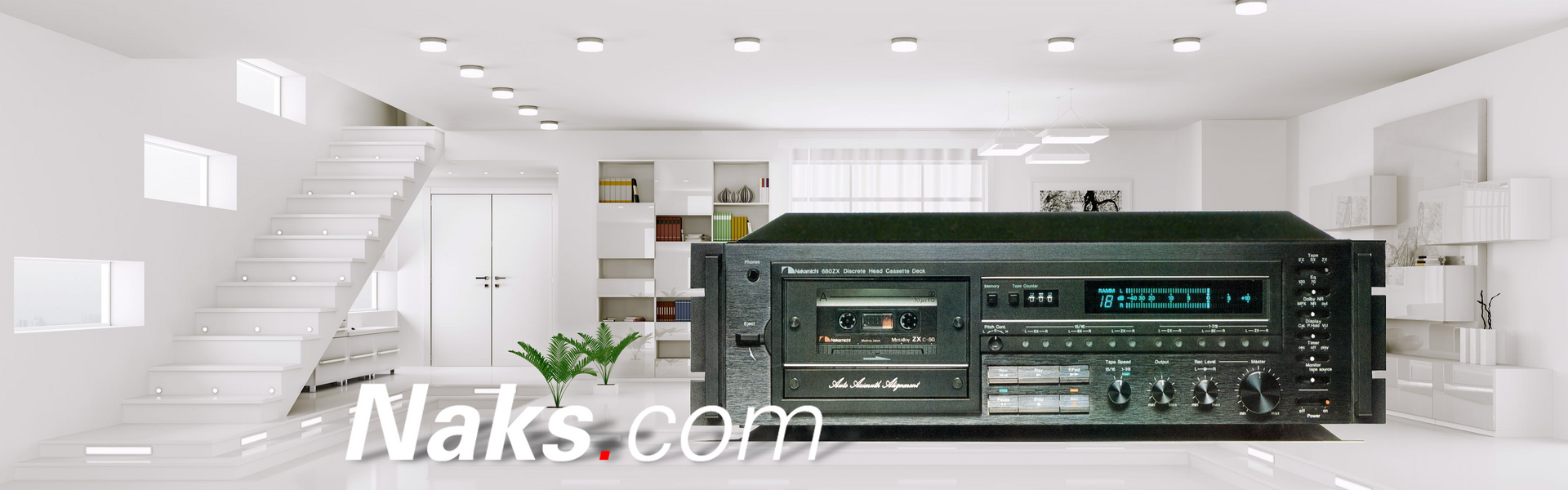
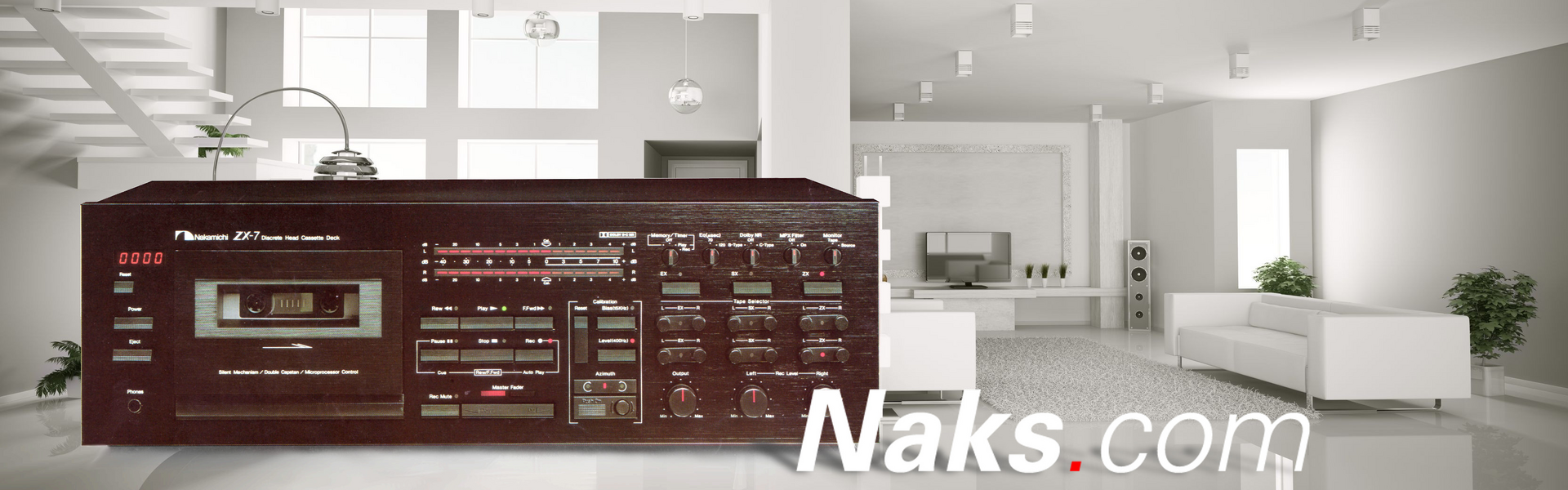
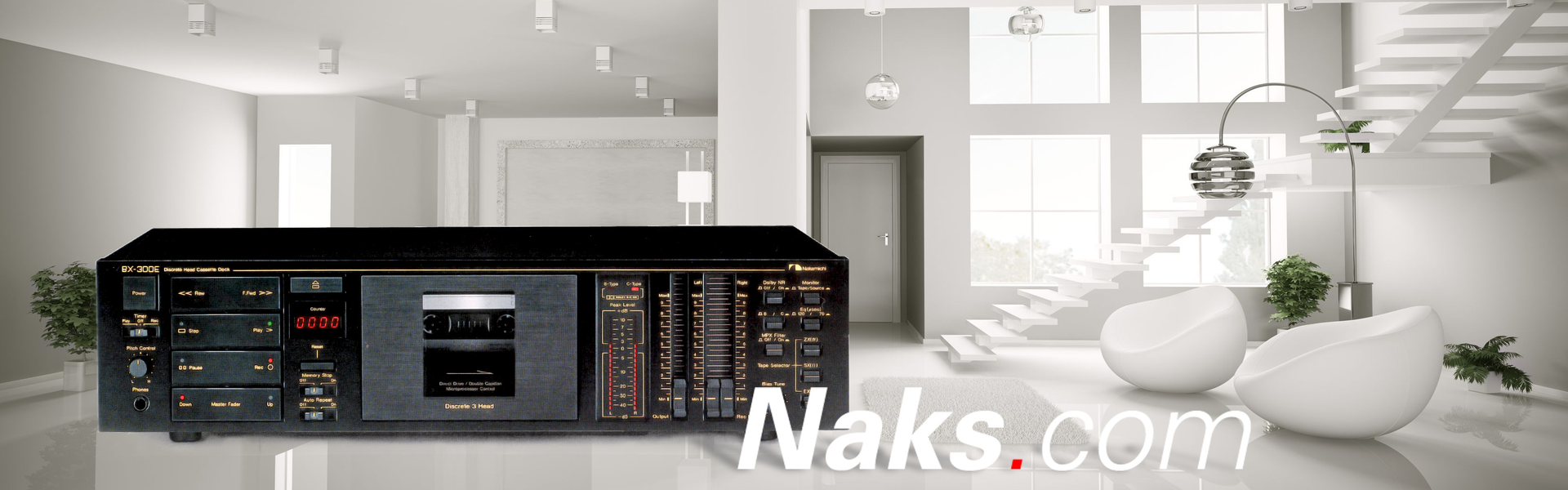
Nakamichi ZX-7: Absolute Command, Maximum Performance
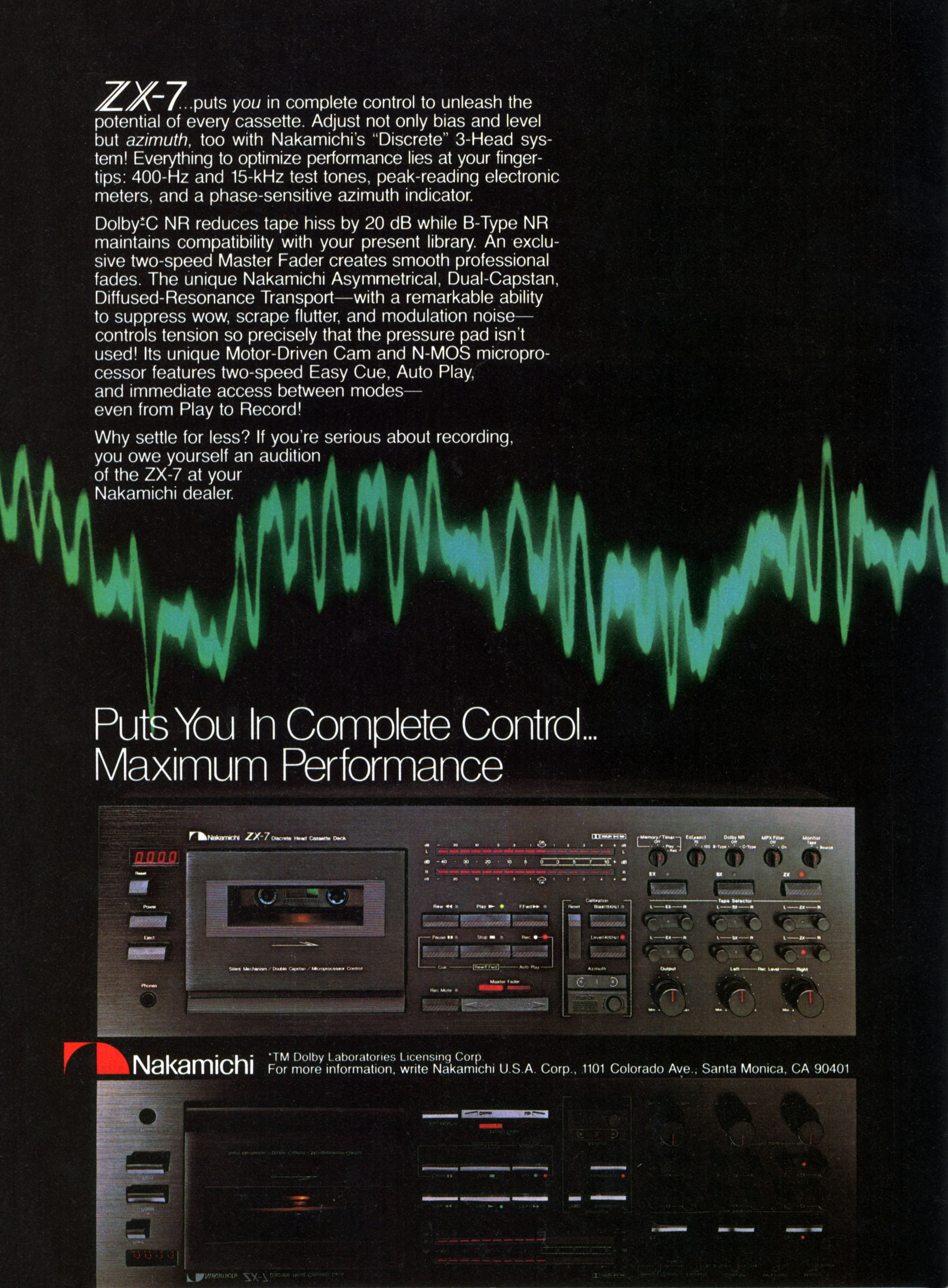
A vibrant, pulsating green soundwave surges across a pitch-black background, visually electrifying the raw sonic energy that the Nakamichi ZX-7 was built to conquer. This striking advertisement captures the ultimate fusion of studio-grade control and uncompromising tape performance. Unlike decks that left calibration to chance, the ZX-7 proudly "Puts You In Complete Control..." to unleash the absolute maximum potential of every single cassette. It places a literal laboratory at your fingertips, featuring built-in 400 Hz and 15 kHz test tones, a phase-sensitive azimuth indicator, and independent manual adjustments for bias, level, and azimuth. Beneath its stealthy, professional matte-black chassis lies an engineering marvel. Nakamichi’s acclaimed Discrete 3-Head system works in perfect tandem with a unique, asymmetrical Dual-Capstan Diffused-Resonance Transport. This mechanism controls tape tension so flawlessly that the cassette's own internal pressure pad isn't even used, entirely eliminating scrape flutter, modulation noise, and wow. Complete with Dolby B/C noise reduction, an exclusive two-speed Master Fader, and an N-MOS microprocessor-driven cam motor, the ZX-7 is a masterclass in ergonomics and fidelity. For the serious recordist who refuses to settle for less, it remains the definitive instrument of analog perfection.
 Asymmetrical Dual Capstans
Silent Mechanism
Diffused-Resonance Transport
Microprocessor Control
Double Capstan
Discrete 3-Head Technology
Pressure pad lifter
Asymmetrical Dual Capstans
Silent Mechanism
Diffused-Resonance Transport
Microprocessor Control
Double Capstan
Discrete 3-Head Technology
Pressure pad lifter
3 Heads
Dolby-C NR
Digital Meters
Full Logic Control
Metal Tape
Dual Capstan
Stereo
Nakamichi’s New Lineup: Pure Audio Perfection
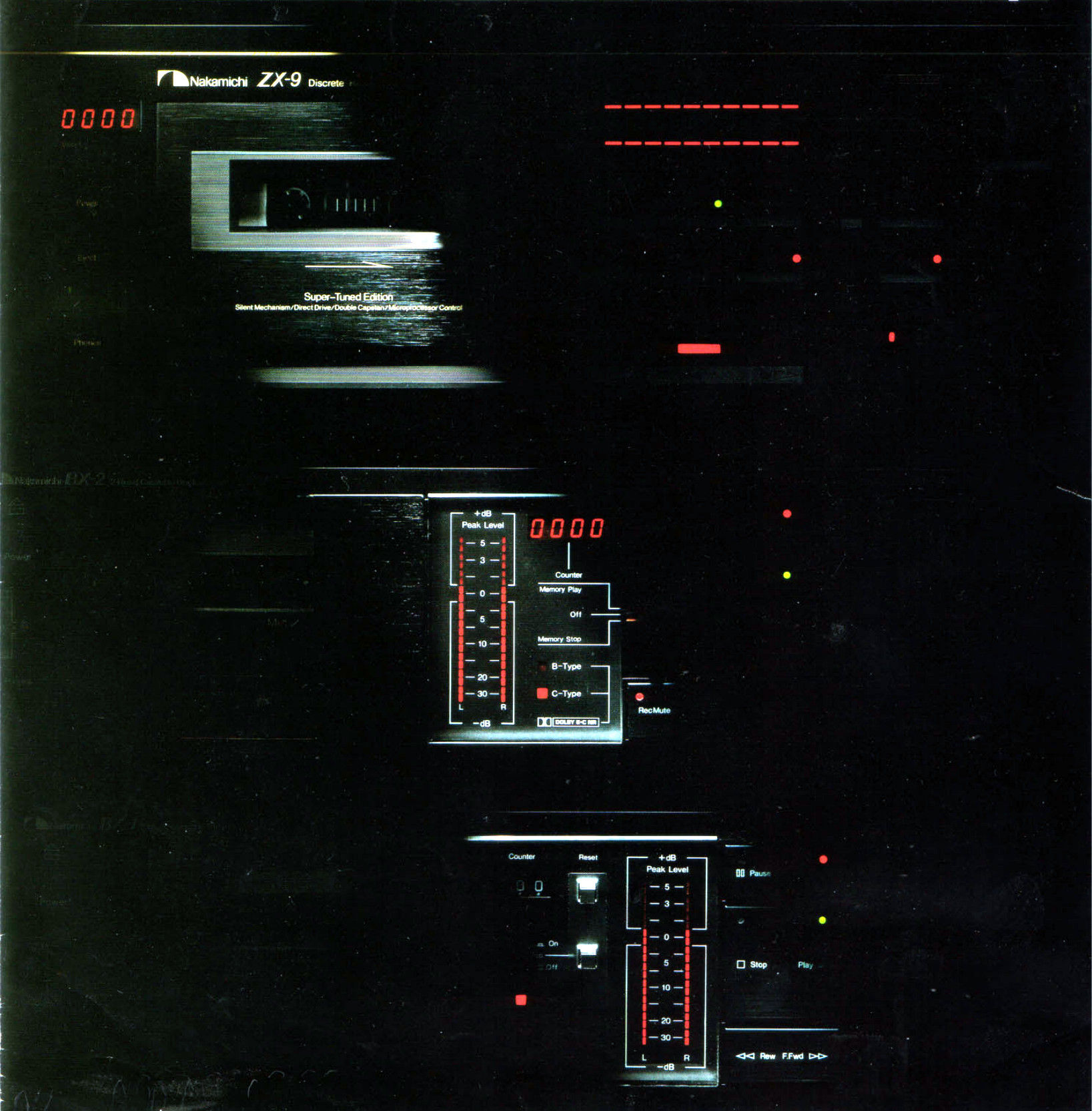
Nakamichi’s iconic "New Product Lineup" marked a thrilling new era for cassette technology. Leading the charge was the legendary ZX-9, a masterpiece of precision engineering featuring manual calibration and a direct-drive transport that extracted every ounce of studio-grade performance from any tape formulation. Alongside this flagship came the sleek BX-1 and BX-2. Designed for the discerning music lover, these decks brought Nakamichi’s acclaimed head technology and ultra-low distortion electronics into an accessible, elegant design. From reference-grade power to entry-level luxury, this lineup proved Nakamichi remained the undisputed king of high-fidelity cassette performance.
Asymmetrical Dual Capstans
Silent Mechanism
Diffused-Resonance Transport
Direct Drive
Microprocessor Control
Double Capstan
Discrete 3-Head Technology
Pressure pad lifter
3 Heads
Dolby-C NR
Digital Meters
Full Logic Control
Metal Tape
Dual Capstan
Stereo
Gold Plated Jacks
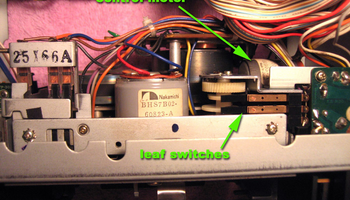
On Nakamichi decks that have a Sankyo-made tape transport, it is common to see a problem develop where the deck's tape transport starts to act very strangely, and the deck may even stop responding to commands.
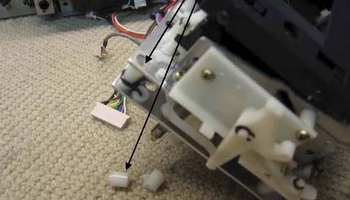
If it can be determined that the deck does have a good idler tyre, then the problem is quite often in the control motor mechanism. These photos will show a couple of techniques to address this problem.

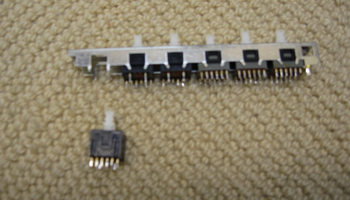
RX-505 Dolby On-Off / Dolby B-C / Eq 70-120 switches no longer lock in place? Here’s the fix!